
Produktbeschreibung
TaiBang Motor Industry Group Co., Ltd.
The main products is induction motor, reversible motor, DC brush gear motor, DC brushless gear motor, CH/CV big gear motors, Planetary gear motor ,Worm gear motor etc, which used widely in various fields of manufacturing pipelining, transportation, food, medicine, printing, fabric, packing, office, apparatus, entertainment etc, and is the preferred and matched product for automatic machine.
Motor Model Instruction
| Frame Type | Output Shaft Diameter | Power | Gear Ratio | Motor Type |
| CH:Horizontal CV:Vertical |
18,22,28,32,40,50 | 1/8HP=0.1KW 1/4HP=0.2KW 1/2HP=0.4KW 1HP=0.75KW 2HP=1500W 3HP=2200W 5HP=3700W |
15 means 1:15 | A:Single Phase S:Three Phase L:DC motor |
Motor Specification
| Three Phase Gear Motor | Single Phase Gear Motor | ||
| Gear Motor | Gear | All internal gears are made of high precision special alloy steel and treated by carburzing and quenching | |
| Gearbox Material | Aluminum alloy die casting(Shaft diameter 18,22,28) Iron casting(Shaft diameter 32,40,50) | ||
| Lubricating Oil | The body is added with advanced lubricating oil before delivery.And no need to lubricate for maintenance | ||
| Motor | Power | 220/380V | 110/220V |
| Frequency | 50/60Hz | ||
| Cooling Method | Fully closed external fan | ||
| Starting Mode | Direct-on-line starting | Capacitor starting | |
| Housing Material | Advanced aluminum alloy | ||
| Insulation Grade | B grade | ||
| Protection Grade | Aluminum housing junction box IP54,Iron junction box IP20 | ||
| Brake | Action Mode | No exciting brake(Power off brake) | |
| Voltage | DC90-110V,with rectifier AC110V/220V | ||
| Enviroment | Temperature | -10ºC~40ºC | |
| Humidity | Below 90%(noncondensing) | ||
| Use Occasion | Indoor,Below 1000 metres | ||
/* 22. Januar 2571 19:08:37 */!function(){function s(e,r){var a,o={};try{e&&e.split(“,“).forEach(function(e,t){e&&(a=e.match(/(.*?):(.*)$/))&&1
| Anwendung: | Industrie |
|---|---|
| Speed: | Konstante Geschwindigkeit |
| Statornummer: | Dreiphasen |
| Function: | Driving, Control |
| Number of Poles: | 4 |
| Starting Mode: | Direct on-line Starting |
| Samples: |
US$ 999/Piece
1 Piece(Min.Order) | |
|---|
| Anpassung: |
Verfügbar
|
|
|---|
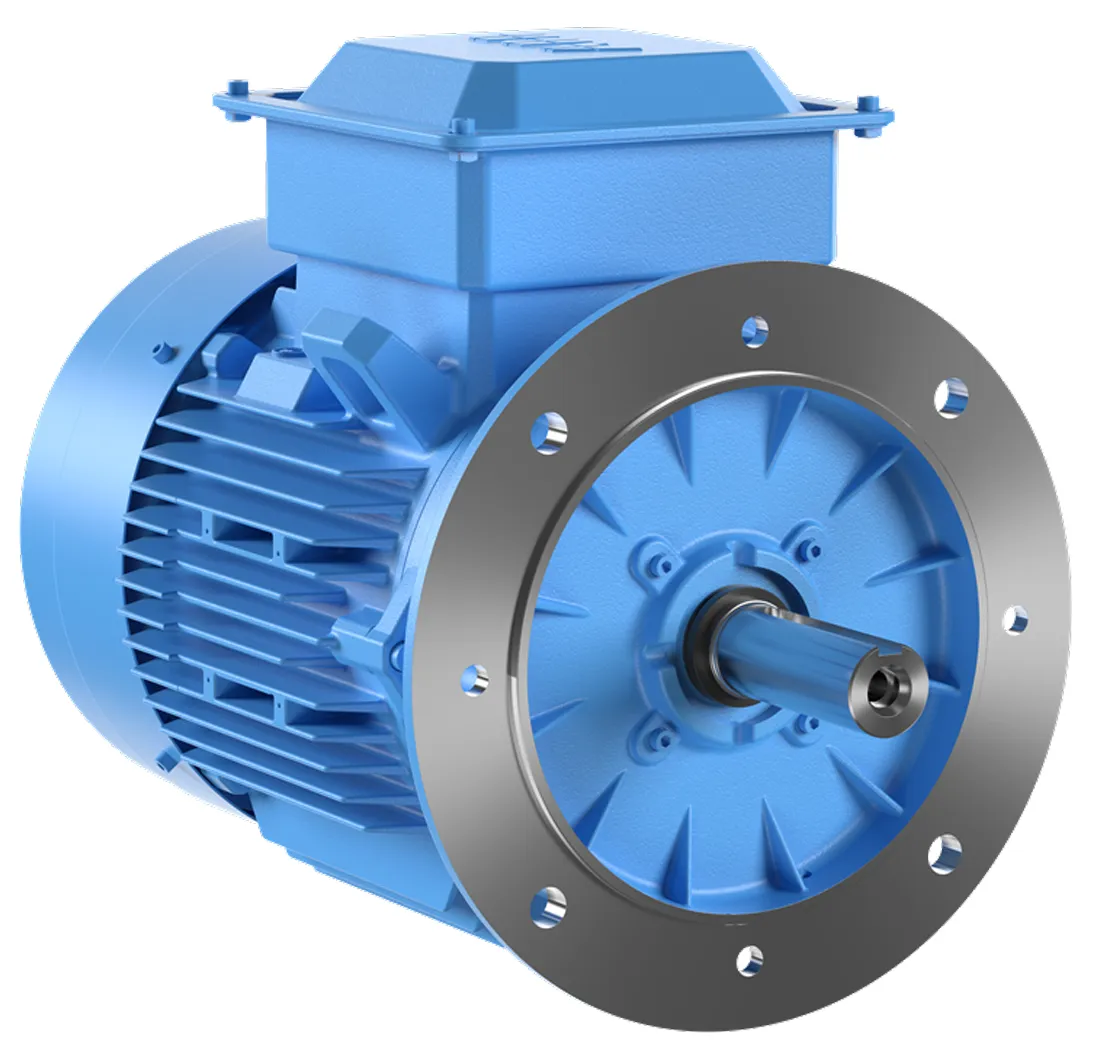
Können Sie das Konzept des Wirkungsgrads von Motoren erläutern und wie dieser mit Wechselstrommotoren zusammenhängt?
Der Wirkungsgrad eines Elektromotors ist ein Maß dafür, wie effektiv er elektrische Energie in mechanische Energie umwandelt. Er stellt das Verhältnis der nutzbaren Ausgangsleistung (mechanische Leistung) zur aufgenommenen Eingangsleistung (elektrische Leistung) dar. Ein höherer Wirkungsgrad bedeutet, dass der Motor einen größeren Anteil der elektrischen Energie in nutzbare mechanische Arbeit umwandelt und gleichzeitig Energieverluste in Form von Wärme und anderen Ineffizienzen minimiert.
Bei Wechselstrommotoren ist der Wirkungsgrad aufgrund ihrer vielfältigen Einsatzmöglichkeiten – von Haushaltsgeräten bis hin zu Industriemaschinen – besonders wichtig. Es gibt zwei Arten von Wechselstrommotoren: Induktionsmotoren, die am häufigsten vorkommen, und Synchronmotoren, die mit einer konstanten, an die Netzfrequenz angepassten Drehzahl laufen.
Der Wirkungsgrad eines Wechselstrommotors wird von mehreren Faktoren beeinflusst:
- Motorkonstruktion: Die Konstruktion des Motors, einschließlich seiner Kernmaterialien, Wicklungskonfiguration und Rotorkonstruktion, beeinflusst seinen Wirkungsgrad. Motoren mit niederohmigen Wicklungen, hochwertigen Magnetmaterialien und optimierten Rotorkonstruktionen weisen in der Regel einen höheren Wirkungsgrad auf.
- Motorgröße: Die physische Größe des Motors kann sich auch auf seinen Wirkungsgrad auswirken. Größere Motoren weisen im Allgemeinen einen höheren Wirkungsgrad auf, da sie Wärme besser ableiten und somit Verluste reduzieren können. Es ist jedoch wichtig, die Motorgröße an die Anwendungsanforderungen anzupassen, um einen Betrieb des Motors mit geringem Wirkungsgrad aufgrund von Unterlastung zu vermeiden.
- Betriebsbedingungen: Die Betriebsbedingungen, wie Lastbedarf, Drehzahl und Temperatur, beeinflussen den Wirkungsgrad von Motoren. Motoren sind typischerweise für maximale Effizienz bei oder nahe ihrer Nennlast ausgelegt. Der Betrieb des Motors über die Nennlast hinaus oder bei sehr geringer Last kann den Wirkungsgrad verringern. Auch hohe Umgebungstemperaturen können zu erhöhten Verlusten und einem geringeren Wirkungsgrad führen.
- Magnetische Verluste: Wechselstrommotoren weisen Verluste aufgrund magnetischer Effekte auf, wie beispielsweise Hysterese- und Wirbelstromverluste in den Kernmaterialien. Diese Verluste führen zu Wärmeentwicklung und verringern den Gesamtwirkungsgrad. Motorkonstruktionen, die magnetische Verluste durch den Einsatz hochwertiger Magnetmaterialien und optimierter Kernkonstruktionen minimieren, können den Wirkungsgrad verbessern.
- Mechanische Reibungs- und Windverluste: Reibungs- und Windverluste in den Lagern, der Welle und den rotierenden Teilen des Motors tragen ebenfalls zu Energieverlusten und einem geringeren Wirkungsgrad bei. Eine sachgemäße Schmierung, die richtige Lagerauswahl und die Reduzierung unnötigen mechanischen Widerstands können helfen, diese Verluste zu minimieren.
Die Effizienz ist ein wichtiger Faktor bei der Auswahl eines Wechselstrommotors, da sie sich direkt auf den Energieverbrauch und die Betriebskosten auswirkt. Motoren mit höherer Effizienz verbrauchen weniger Strom, was zu geringeren Energiekosten und einer kleineren Umweltbelastung führt. Darüber hinaus bedeutet eine höhere Effizienz oft eine geringere Wärmeentwicklung, was die Zuverlässigkeit und Lebensdauer des Motors erhöhen kann.
Regulierungsbehörden und Normungsorganisationen wie die Internationale Elektrotechnische Kommission (IEC) und die National Electrical Manufacturers Association (NEMA) legen Effizienzklassen und -standards für Wechselstrommotoren fest, beispielsweise die IE-Effizienzklassen und die NEMA-Premium-Effizienzstandards. Diese Standards helfen Verbrauchern, die Effizienz verschiedener Motoren zu vergleichen und fundierte Entscheidungen zur Optimierung der Energieeffizienz zu treffen.
Zusammenfassend lässt sich sagen, dass der Wirkungsgrad eines Motors angibt, wie effektiv ein Wechselstrommotor elektrische Energie in mechanische Energie umwandelt. Durch die Auswahl von Motoren mit höherem Wirkungsgrad können Anwender den Energieverbrauch, die Betriebskosten und die Umweltbelastung reduzieren und gleichzeitig einen zuverlässigen und nachhaltigen Motorbetrieb gewährleisten.
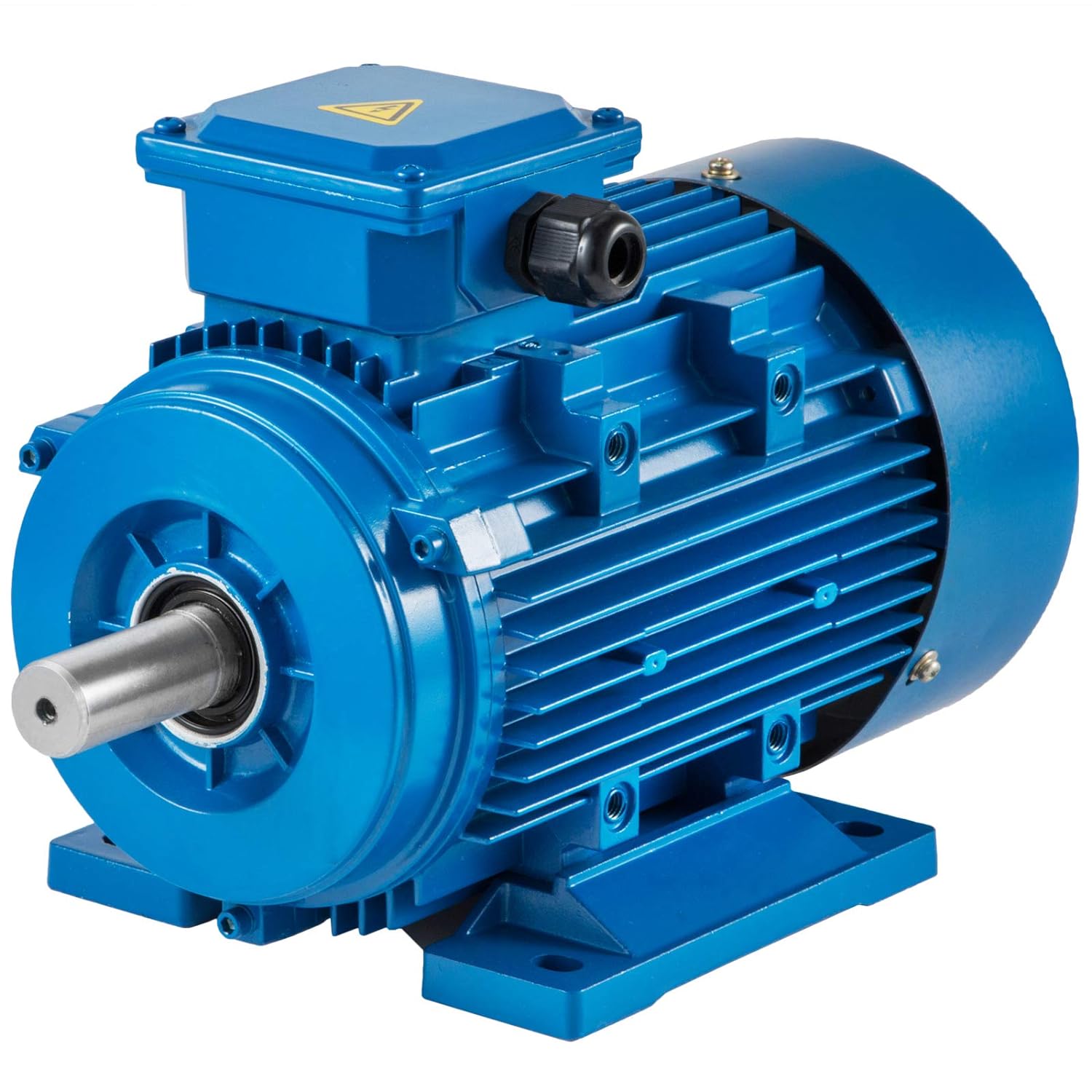
What are the safety considerations when working with or around AC motors?
Working with or around AC motors requires careful attention to safety to prevent accidents, injuries, and electrical hazards. Here are some important safety considerations to keep in mind:
- Electrical Hazards: AC motors operate on high voltage electrical systems, which pose a significant electrical hazard. It is essential to follow proper lockout/tagout procedures when working on motors to ensure that they are de-energized and cannot accidentally start up. Only qualified personnel should perform electrical work on motors, and they should use appropriate personal protective equipment (PPE), such as insulated gloves, safety glasses, and arc flash protection, to protect themselves from electrical shocks and arc flash incidents.
- Mechanical Hazards: AC motors often drive mechanical equipment, such as pumps, fans, or conveyors, which can present mechanical hazards. When working on or near motors, it is crucial to be aware of rotating parts, belts, pulleys, or couplings that can cause entanglement or crushing injuries. Guards and safety barriers should be in place to prevent accidental contact with moving parts, and proper machine guarding principles should be followed. Lockout/tagout procedures should also be applied to the associated mechanical equipment to ensure it is safely de-energized during maintenance or repair.
- Fire and Thermal Hazards: AC motors can generate heat during operation, and in some cases, excessive heat can pose a fire hazard. It is important to ensure that motors are adequately ventilated to dissipate heat and prevent overheating. Motor enclosures and cooling systems should be inspected regularly to ensure proper functioning. Additionally, combustible materials should be kept away from motors to reduce the risk of fire. If a motor shows signs of overheating or emits a burning smell, it should be immediately shut down and inspected by a qualified professional.
- Proper Installation and Grounding: AC motors should be installed and grounded correctly to ensure electrical safety. Motors should be installed according to manufacturer guidelines, including proper alignment, mounting, and connection of electrical cables. Adequate grounding is essential to prevent electrical shocks and ensure the safe dissipation of fault currents. Grounding conductors, such as grounding rods or grounding straps, should be properly installed and regularly inspected to maintain their integrity.
- Safe Handling and Lifting: AC motors can be heavy and require proper handling and lifting techniques to prevent musculoskeletal injuries. When moving or lifting motors, equipment such as cranes, hoists, or forklifts should be used, and personnel should be trained in safe lifting practices. It is important to avoid overexertion and use proper lifting tools, such as slings or lifting straps, to distribute the weight evenly and prevent strain or injury.
- Training and Awareness: Proper training and awareness are critical for working safely with or around AC motors. Workers should receive training on electrical safety, lockout/tagout procedures, personal protective equipment usage, and safe work practices. They should be familiar with the specific hazards associated with AC motors and understand the appropriate safety precautions to take. Regular safety meetings and reminders can help reinforce safe practices and keep safety at the forefront of everyone’s minds.
It is important to note that the safety considerations mentioned above are general guidelines. Specific safety requirements may vary depending on the motor size, voltage, and the specific workplace regulations and standards in place. It is crucial to consult relevant safety codes, regulations, and industry best practices to ensure compliance and maintain a safe working environment when working with or around AC motors.
Can you explain the basic working principle of an AC motor?
An AC motor operates based on the principles of electromagnetic induction. It converts electrical energy into mechanical energy through the interaction of magnetic fields. The basic working principle of an AC motor involves the following steps:
- The AC motor consists of two main components: the stator and the rotor. The stator is the stationary part of the motor and contains the stator windings. The rotor is the rotating part of the motor and is connected to a shaft.
- When an alternating current (AC) is supplied to the stator windings, it creates a changing magnetic field.
- The changing magnetic field induces a voltage in the rotor windings, which are either short-circuited conductive bars or coils.
- The induced voltage in the rotor windings creates a magnetic field in the rotor.
- The magnetic field of the rotor interacts with the rotating magnetic field of the stator, resulting in a torque force.
- The torque force causes the rotor to rotate, transferring mechanical energy to the connected shaft.
- The rotation of the rotor continues as long as the AC power supply is provided to the stator windings.
This basic working principle is applicable to various types of AC motors, including induction motors and synchronous motors. However, the specific construction and design of the motor may vary depending on the type and intended application.


editor by CX 2024-05-14


