
Produktbeschreibung
Produktbeschreibung
AC servo motor with output 2.39NM is a kind of control system, which can precisely control the position, speed and acceleration of the motor, so it has been widely used in many application fields. Its accuracy mainly comes from the following aspects: product-list-1.htm
Closed loop control system
The servo motor uses a closed-loop control system, which means that the feedback signal of the motor position is sent back to the controller, and the controller adjusts the motor according to the feedback signal to maintain the accuracy of the motor position. This feedback control system can quickly respond to external interference and load changes to maintain the stability and accuracy of the motor position.
High resolution encoder
Servomotors are usually equipped with high resolution encoders that convert the rotation position of the motor into a digital signal for processing by the controller. High resolution encoders are able to provide high accuracy, often to very small resolutions, such as a few angles or radians, thus guaranteeing the accuracy of the motor position.
Dynamic response capability
Servo motor has very fast dynamic response ability, can quickly respond to external interference and load changes. This is because servomotors typically employ high-performance electronics and controllers that can be quickly adjusted to maintain the stability and accuracy of the motor position.
Torque stability
The stable torque of the servo motor can provide accurate torque output, thus ensuring the accuracy of the motor position. This is because the servo motor uses high-performance electronics and controllers, which can quickly adjust the motor to maintain the stability and accuracy of the motor position.
Company Profile
Certifications
Häufig gestellte Fragen
Q: Speed reducer grease replacement time
A: When sealing appropriate amount of grease and running reducer, the standard replacement time is 20000 hours according to the aging condition of the grease. In addition, when the grease is stained or used in the surrounding temperature condition (above 40ºC), please check the aging and fouling of the grease, and specify the replacement time.
Q: Delivery time
A: Fubao has 2000+ production base, daily output of 1000+ units, standard models within 7 days of delivery.
Q: Reducer selection
A: Fubao provides professional product selection guidance, with higher product matching degree, higher cost performance and higher utilization rate.
| Anwendung: | Machine Tool |
|---|---|
| Speed: | High Speed |
| Statornummer: | Dreiphasen |
| Anpassung: |
Verfügbar
|
|
|---|
.shipping-cost-tm .tm-status-off{background: none;padding:0;color: #1470cc}
|
Shipping Cost:
Estimated freight per unit. |
about shipping cost and estimated delivery time. |
|---|
| Payment Method: |
|
|---|---|
|
Initial Payment Full Payment |
| Currency: | US$ |
|---|
| Return&refunds: | You can apply for a refund up to 30 days after receipt of the products. |
|---|
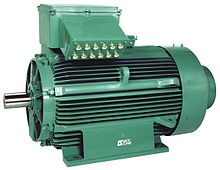
Are there environmental considerations associated with the use of AC motors?
Yes, there are several environmental considerations associated with the use of AC motors. These considerations are primarily related to energy consumption, greenhouse gas emissions, and the disposal of motors at the end of their life cycle. Let’s explore these environmental considerations in detail:
- Energy Efficiency: AC motors can have varying levels of energy efficiency, which directly impacts their environmental impact. Motors with higher efficiency convert a larger percentage of electrical energy into useful mechanical work, resulting in reduced energy consumption. By selecting and using high-efficiency AC motors, energy usage can be minimized, leading to lower greenhouse gas emissions and reduced reliance on fossil fuels for electricity generation.
- Greenhouse Gas Emissions: The electricity consumed by AC motors is often produced by power plants that burn fossil fuels, such as coal, natural gas, or oil. The generation of electricity from these fossil fuels releases greenhouse gases, contributing to climate change. By employing energy-efficient motors and optimizing motor systems, businesses and individuals can reduce their electricity demand, leading to lower greenhouse gas emissions and a smaller carbon footprint.
- Motor Disposal and Recycling: AC motors contain various materials, including metals, plastics, and electrical components. At the end of their life cycle, proper disposal or recycling is important to minimize their environmental impact. Some components, such as copper windings and steel casings, can be recycled, reducing the need for new raw materials and energy-intensive manufacturing processes. It is crucial to follow local regulations and guidelines for the disposal and recycling of motors to prevent environmental pollution and promote resource conservation.
- Manufacturing and Production: The manufacturing and production processes associated with AC motors can have environmental implications. The extraction and processing of raw materials, such as metals and plastics, can result in habitat destruction, energy consumption, and greenhouse gas emissions. Additionally, the manufacturing processes themselves can generate waste and pollutants. Motor manufacturers can mitigate these environmental impacts by adopting sustainable practices, using recycled materials, reducing waste generation, and implementing energy-efficient production methods.
- Life Cycle Assessment: Conducting a life cycle assessment (LCA) of AC motors can provide a holistic view of their environmental impact. An LCA considers the environmental aspects associated with the entire life cycle of the motor, including raw material extraction, manufacturing, transportation, use, and end-of-life disposal or recycling. By analyzing the different stages of the motor’s life cycle, stakeholders can identify opportunities for improvement, such as optimizing energy efficiency, reducing emissions, and implementing sustainable practices.
To address these environmental considerations, governments, organizations, and industry standards bodies have developed regulations and guidelines to promote energy efficiency and reduce the environmental impact of AC motors. These include efficiency standards, labeling programs, and incentives for the use of high-efficiency motors. Additionally, initiatives promoting motor system optimization, such as proper motor sizing, maintenance, and control, can further enhance energy efficiency and minimize environmental impact.
In summary, the environmental considerations associated with the use of AC motors include energy efficiency, greenhouse gas emissions, motor disposal and recycling, manufacturing processes, and life cycle assessment. By prioritizing energy efficiency, proper disposal, recycling, and sustainable manufacturing practices, the environmental impact of AC motors can be minimized, contributing to a more sustainable and environmentally conscious approach to motor usage.
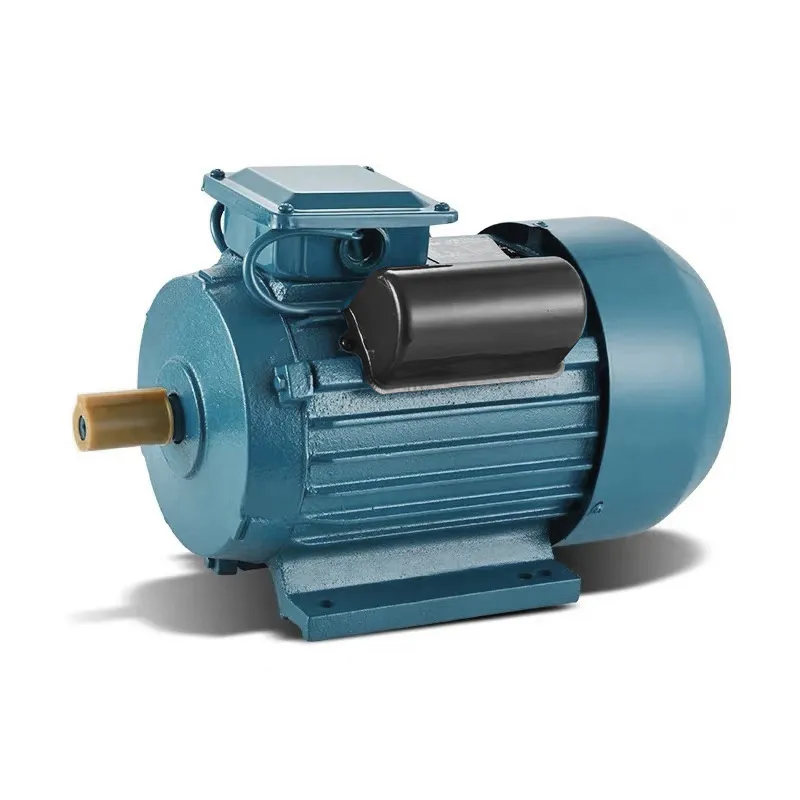
How do AC motors contribute to the functioning of household appliances?
AC motors play a crucial role in the functioning of numerous household appliances by converting electrical energy into mechanical energy. These motors are used in a wide range of devices, powering various components and performing essential tasks. Let’s explore how AC motors contribute to the functioning of household appliances:
- Kitchen Appliances: AC motors are found in various kitchen appliances, such as refrigerators, freezers, dishwashers, and blenders. In refrigerators and freezers, AC motors drive the compressor, which circulates the refrigerant and maintains the desired temperature. Dishwashers use AC motors to power the water pumps, spray arms, and the motorized detergent dispenser. Blenders utilize AC motors to rotate the blades and blend ingredients.
- Laundry Appliances: AC motors are integral to laundry appliances like washing machines and clothes dryers. Washing machines rely on AC motors to power the agitator or the drum, facilitating the washing and spinning cycles. Clothes dryers use AC motors to rotate the drum and operate the blower fan, facilitating the drying process.
- Vacuum Cleaners: Vacuum cleaners utilize AC motors to generate suction and drive the motorized brush or beater bar. These motors power the fan or impeller, creating the necessary airflow for effective cleaning.
- Fans and Air Circulation: AC motors are employed in various types of fans, including ceiling fans, table fans, and pedestal fans. These motors drive the fan blades, producing airflow and facilitating air circulation to provide cooling or ventilation in rooms. Additionally, AC motors power exhaust fans used in kitchens, bathrooms, and range hoods to remove odors, smoke, or excess moisture.
- Air Conditioning and Heating Systems: AC motors are critical components in air conditioning and heating systems. They power the compressor, condenser fan, and blower fan, which are responsible for circulating refrigerant, dissipating heat, and delivering conditioned air throughout the house. AC motors enable the regulation of temperature and humidity levels, ensuring comfort in residential spaces.
- Garage Door Openers: AC motors are utilized in garage door openers to drive the mechanism responsible for opening and closing the garage door. These motors generate the necessary torque to lift or lower the door smoothly and efficiently.
- Other Appliances: AC motors are also found in a variety of other household appliances. For instance, they power pumps in water heaters, swimming pool filters, and sump pumps. AC motors are used in dehumidifiers, humidifiers, and air purifiers to drive the fans and other internal components. They are also present in audiovisual equipment, such as DVD players, record players, and fans used for cooling electronics.
In summary, AC motors are essential components in household appliances, enabling their proper functioning and delivering the mechanical energy required for various tasks. From kitchen appliances to laundry machines, fans, air conditioning systems, and more, AC motors provide the necessary power and functionality to enhance our daily lives.
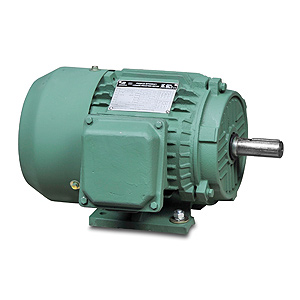
Was sind die Hauptkomponenten eines Wechselstrommotors und wie tragen sie zu seinem Betrieb bei?
Ein Wechselstrommotor besteht aus mehreren Schlüsselkomponenten, die zusammenarbeiten, um seinen Betrieb zu ermöglichen. Zu diesen Komponenten gehören:
- Stator: Der Stator ist der stationäre Teil eines Wechselstrommotors. Er besteht typischerweise aus einem laminierten Kern, der den magnetischen Fluss leitet. Der Stator enthält Statorwicklungen, also Drahtspulen, die um den Statorkern gewickelt sind. Die Statorwicklungen sind an eine Wechselstromquelle angeschlossen und erzeugen beim Einschalten ein Drehfeld. Dieses Drehfeld ist entscheidend für die Erzeugung des für den Motorbetrieb erforderlichen Drehmoments.
- Rotor: Der Rotor ist der rotierende Teil eines Wechselstrommotors. Er befindet sich im Inneren des Stators und ist mit einer Welle verbunden. Je nach Motortyp kann der Rotor unterschiedliche Bauformen aufweisen. Bei einem Induktionsmotor besitzt der Rotor keine elektrischen Anschlüsse. Stattdessen enthält er kurzgeschlossene Leiterstäbe oder Spulen. Das rotierende Magnetfeld des Stators induziert Ströme in den kurzgeschlossenen Rotorleitern. Dadurch entsteht ein Magnetfeld, das mit dem Statorfeld interagiert und ein Drehmoment erzeugt, wodurch der Rotor rotiert. Bei einem Synchronmotor enthält der Rotor Elektromagnete, die durch Gleichstrom magnetisiert werden. Dadurch kann sich der Rotor an das rotierende Magnetfeld des Stators anpassen und mit derselben Drehzahl rotieren.
- Lager: Lager dienen der Unterstützung und Gewährleistung der reibungslosen Rotation der Rotorwelle. Sie reduzieren die Reibung und ermöglichen die freie Drehung des Rotors im Motor. Typischerweise befinden sich die Lager an beiden Enden der Motorwelle und sind so konstruiert, dass sie den im Betrieb auftretenden axialen und radialen Kräften standhalten.
- Schlussglocken: Die Endkappen, auch Enddeckel oder Endhalterungen genannt, umschließen den Stator und Rotor des Motors. Sie bieten mechanische Unterstützung und Schutz für die internen Motorkomponenten. Endkappen bestehen typischerweise aus Metall und dienen als Gehäuse für die Lager sowie zur Befestigung des Motors an seiner Montagekonstruktion.
- Lüfter oder Kühlsystem: Wechselstrommotoren erzeugen im Betrieb häufig Wärme. Um Überhitzung zu vermeiden und einen einwandfreien Betrieb zu gewährleisten, sind sie mit Lüftern oder Kühlsystemen ausgestattet. Diese tragen zur Wärmeabfuhr bei, indem sie Luft zirkulieren lassen oder den Luftstrom über die Motorkomponenten, einschließlich der Stator- und Rotorwicklungen, leiten. Eine effektive Kühlung ist entscheidend für die Aufrechterhaltung des Wirkungsgrades und die Verlängerung der Lebensdauer des Motors.
- Anschlusskasten oder Verbindungskasten: Der Klemmenkasten ist ein außen am Motor angebrachtes Gehäuse, das den Zugang zu den elektrischen Anschlüssen des Motors ermöglicht. Er enthält Klemmen oder Anschlusspunkte, an die externe Leitungen zur Stromversorgung des Motors angeschlossen werden können. Der Klemmenkasten gewährleistet eine sichere Verbindung des Motors mit dem elektrischen System.
- Zusätzliche Komponenten: Je nach Ausführung und Anwendung können Wechselstrommotoren zusätzliche Bauteile wie Kondensatoren, Fliehkraftschalter, Bürsten (bei bestimmten Motortypen) und andere Steuergeräte enthalten. Diese Bauteile dienen verschiedenen Zwecken, beispielsweise der Verbesserung der Motorleistung, der Anlaufunterstützung oder der Realisierung spezifischer Steuerungsfunktionen.
Jede dieser Komponenten spielt eine entscheidende Rolle im Betrieb eines Wechselstrommotors. Stator und Rotor sind die Hauptkomponenten, die das rotierende Magnetfeld erzeugen und elektrische Energie in mechanische Bewegung umwandeln. Die Lager gewährleisten die reibungslose Rotation der Rotorwelle, während die Lagerschalen für Stabilität und Schutz sorgen. Lüfter oder Kühlsystem tragen zur Aufrechterhaltung optimaler Betriebstemperaturen bei, und der Klemmenkasten ermöglicht die korrekten elektrischen Anschlüsse. Weitere Komponenten werden je nach Bedarf integriert, um die Motorleistung zu steigern und spezifische Funktionen zu ermöglichen.


editor by CX 2023-12-15


