
Produktbeschreibung
| BG 63 AC Motor | |
| Environmental Conditions | -20ºC~50ºC |
| Insulation Clase | B |
| Protection class | IP40 |
| Noise | ≤70dB |
| Number of phases | Single |
| Current | AC&DC |
| Lifespan | 1000-1500h |
| Electrical Specifications | |||||||||
| Model | RATED LOAD | NO LOAD | STALL | ||||||
| Voltage | Power |
Speed |
Torque | Current | Speed | Current | Torque | Current | |
| V | W | rpm | N.m | A | rpm | A | N.m | A | |
| BG AC6320 | 110 | 65 | 10000 | 0.062 | 0.9 | 17000 | 0.2 | 0.186 | 2.7 |
| BG AC6325 | 110 | 70 | 11000 | 0.06 | 0.97 | 18000 | 0.2 | 0.18 | 2.91 |
| BG AC6330 | 220 | 75 | 12000 | 0.06 | 0.52 | 20000 | 0.1 | 0.18 | 1.56 |
| We can also customize products according to customer requirements. | |||||||||
Established in 1994, HangZhou BG Motor Factory is a professional manufacturer of brushless DC motors, brushed DC motors, planetary gear motors, worm gear motors, Universal motors and AC motors. We have a plant area of 6000 square meters, multiple patent certificates, and we have the independent design and development capabilities and strong technical force, with an annual output of more than 1 million units. Since the beginning of its establishment, BG motor has focused on the overall solution of motors. We manufacture and design motors, provide professional customized services, respond quickly to customer needs, and actively help customers to solve problems. Our motor products are exported to 20 countries, including the United States, Germany, Italy, the United Kingdom, Poland, Slovenia, Switzerland, Sweden, Singapore, South Korea etc.
Our founder, Mr. Sun, has more than 40 years of experience in motor technology, and our other engineers also have more than 15 years of experience, and 60% of our staff have more than 10 years of experience, and we can assure you that the quality of our motors is top notch.
The products cover AGV, underwater robots, robots, sewing machine industry, automobiles, medical equipment, automatic doors, lifting equipment, industrial equipment and have a wide range of applications.
We strive for CHINAMFG in the quality of each product, and we are only a small and sophisticated manufacturer.
Our vision: Drive the world CHINAMFG and make life better!
Q:1.What kind of motors can you provide?
A:At present, we mainly produce brushless DC motors, brush DC motors, AC motors, Universal Motors; the power of the motor is less than 5000W, and the diameter of the motor is not more than 200mm;
Q:2.Can you send me a price list?
A:For all of our motors, they are customized based on different requirements like lifetime, noise,voltage,and shaft etc. The price also varies according to annual quantity. So it’s really difficult for us to provide a price list. If you can share your detailed requirements and annual quantity, we’ll see what offer we can provide.
Q:3.Can l get some samples?
A:It depends. If only a few samples for personal use or replacement, I am afraid it’ll be difficult for us to provide because all of our motors are custom made and no stock available if there are no further needs. If just sample testing before the official order and our MOQ,price and other terms are acceptable,we’d love to provide samples.
Q4:Can you provide OEM or ODM service?
A:Yes,OEM and ODM are both available, we have the professional R&D dept which can provide professional solutions for you.
Q5:Can l visit your factory before we place an order?
A:welcome to visit our factory,wear every pleased if we have the chance to know each other more.
Q:6.What’s the lead time for a regular order?
A:For orders, the standard lead time is 15-20 days and this time can be shorter or longer based on the different model,period and quantity.
| Anwendung: | Universal |
|---|---|
| Speed: | 8000rpm-12000rpm |
| Statornummer: | Single-Phase |
| Function: | Driving |
| Gehäuseschutz: | Geschlossener Typ |
| Number of Poles: | 2 |
| Samples: |
US$ 0/Piece
1 Piece(Min.Order) | |
|---|
| Anpassung: |
Verfügbar
|
|
|---|
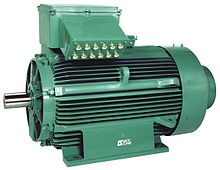
Are there environmental considerations associated with the use of AC motors?
Yes, there are several environmental considerations associated with the use of AC motors. These considerations are primarily related to energy consumption, greenhouse gas emissions, and the disposal of motors at the end of their life cycle. Let’s explore these environmental considerations in detail:
- Energy Efficiency: AC motors can have varying levels of energy efficiency, which directly impacts their environmental impact. Motors with higher efficiency convert a larger percentage of electrical energy into useful mechanical work, resulting in reduced energy consumption. By selecting and using high-efficiency AC motors, energy usage can be minimized, leading to lower greenhouse gas emissions and reduced reliance on fossil fuels for electricity generation.
- Greenhouse Gas Emissions: The electricity consumed by AC motors is often produced by power plants that burn fossil fuels, such as coal, natural gas, or oil. The generation of electricity from these fossil fuels releases greenhouse gases, contributing to climate change. By employing energy-efficient motors and optimizing motor systems, businesses and individuals can reduce their electricity demand, leading to lower greenhouse gas emissions and a smaller carbon footprint.
- Motor Disposal and Recycling: AC motors contain various materials, including metals, plastics, and electrical components. At the end of their life cycle, proper disposal or recycling is important to minimize their environmental impact. Some components, such as copper windings and steel casings, can be recycled, reducing the need for new raw materials and energy-intensive manufacturing processes. It is crucial to follow local regulations and guidelines for the disposal and recycling of motors to prevent environmental pollution and promote resource conservation.
- Manufacturing and Production: The manufacturing and production processes associated with AC motors can have environmental implications. The extraction and processing of raw materials, such as metals and plastics, can result in habitat destruction, energy consumption, and greenhouse gas emissions. Additionally, the manufacturing processes themselves can generate waste and pollutants. Motor manufacturers can mitigate these environmental impacts by adopting sustainable practices, using recycled materials, reducing waste generation, and implementing energy-efficient production methods.
- Life Cycle Assessment: Conducting a life cycle assessment (LCA) of AC motors can provide a holistic view of their environmental impact. An LCA considers the environmental aspects associated with the entire life cycle of the motor, including raw material extraction, manufacturing, transportation, use, and end-of-life disposal or recycling. By analyzing the different stages of the motor’s life cycle, stakeholders can identify opportunities for improvement, such as optimizing energy efficiency, reducing emissions, and implementing sustainable practices.
To address these environmental considerations, governments, organizations, and industry standards bodies have developed regulations and guidelines to promote energy efficiency and reduce the environmental impact of AC motors. These include efficiency standards, labeling programs, and incentives for the use of high-efficiency motors. Additionally, initiatives promoting motor system optimization, such as proper motor sizing, maintenance, and control, can further enhance energy efficiency and minimize environmental impact.
In summary, the environmental considerations associated with the use of AC motors include energy efficiency, greenhouse gas emissions, motor disposal and recycling, manufacturing processes, and life cycle assessment. By prioritizing energy efficiency, proper disposal, recycling, and sustainable manufacturing practices, the environmental impact of AC motors can be minimized, contributing to a more sustainable and environmentally conscious approach to motor usage.
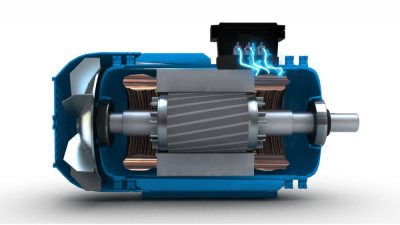
What are the common signs of AC motor failure, and how can they be addressed?
AC motor failure can lead to disruptions in various industrial and commercial applications. Recognizing the common signs of motor failure is crucial for timely intervention and preventing further damage. Here are some typical signs of AC motor failure and potential ways to address them:
- Excessive Heat: Excessive heat is a common indicator of motor failure. If a motor feels excessively hot to the touch or emits a burning smell, it could signify issues such as overloaded windings, poor ventilation, or bearing problems. To address this, first, ensure that the motor is properly sized for the application. Check for obstructions around the motor that may be impeding airflow and causing overheating. Clean or replace dirty or clogged ventilation systems. If the issue persists, consult a qualified technician to inspect the motor windings and bearings and make any necessary repairs or replacements.
- Abnormal Noise or Vibration: Unusual noises or vibrations coming from an AC motor can indicate various problems. Excessive noise may be caused by loose or damaged components, misaligned shafts, or worn bearings. Excessive vibration can result from imbalanced rotors, misalignment, or worn-out motor parts. Addressing these issues involves inspecting and adjusting motor components, ensuring proper alignment, and replacing damaged or worn-out parts. Regular maintenance, including lubrication of bearings, can help prevent excessive noise and vibration and extend the motor’s lifespan.
- Intermittent Operation: Intermittent motor operation, where the motor starts and stops unexpectedly or fails to start consistently, can be a sign of motor failure. This can be caused by issues such as faulty wiring connections, damaged or worn motor brushes, or problems with the motor’s control circuitry. Check for loose or damaged wiring connections and make any necessary repairs. Inspect and replace worn or damaged motor brushes. If the motor still exhibits intermittent operation, it may require professional troubleshooting and repair by a qualified technician.
- Overheating or Tripping of Circuit Breakers: If an AC motor consistently causes circuit breakers to trip or if it repeatedly overheats, it indicates a problem that needs attention. Possible causes include high starting currents, excessive loads, or insulation breakdown. Verify that the motor is not overloaded and that the load is within the motor’s rated capacity. Check the motor’s insulation resistance to ensure it is within acceptable limits. If these measures do not resolve the issue, consult a professional to assess the motor and its electrical connections for any faults or insulation breakdown that may require repair or replacement.
- Decreased Performance or Efficiency: A decline in motor performance or efficiency can be an indication of impending failure. This may manifest as reduced speed, decreased torque, increased energy consumption, or inadequate power output. Factors contributing to decreased performance can include worn bearings, damaged windings, or deteriorated insulation. Regular maintenance, including lubrication and cleaning, can help prevent these issues. If performance continues to decline, consult a qualified technician to inspect the motor and perform any necessary repairs or replacements.
- Inoperative Motor: If an AC motor fails to operate entirely, there may be an issue with the power supply, control circuitry, or internal motor components. Check the power supply and connections for any faults or interruptions. Inspect control circuitry, such as motor starters or contactors, for any damage or malfunction. If no external faults are found, it may be necessary to dismantle the motor and inspect internal components, such as windings or brushes, for any faults or failures that require repair or replacement.
It’s important to note that motor failure causes can vary depending on factors such as motor type, operating conditions, and maintenance practices. Regular motor maintenance, including inspections, lubrication, and cleaning, is essential for early detection of potential failure signs and for addressing issues promptly. When in doubt, it is advisable to consult a qualified electrician, motor technician, or manufacturer’s guidelines for appropriate troubleshooting and repair procedures specific to the motor model and application.
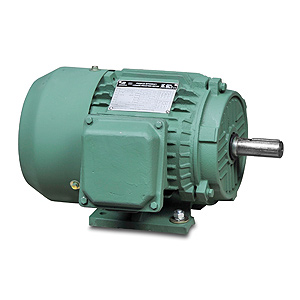
Was sind die Hauptkomponenten eines Wechselstrommotors und wie tragen sie zu seinem Betrieb bei?
Ein Wechselstrommotor besteht aus mehreren Schlüsselkomponenten, die zusammenarbeiten, um seinen Betrieb zu ermöglichen. Zu diesen Komponenten gehören:
- Stator: Der Stator ist der stationäre Teil eines Wechselstrommotors. Er besteht typischerweise aus einem laminierten Kern, der den magnetischen Fluss leitet. Der Stator enthält Statorwicklungen, also Drahtspulen, die um den Statorkern gewickelt sind. Die Statorwicklungen sind an eine Wechselstromquelle angeschlossen und erzeugen beim Einschalten ein Drehfeld. Dieses Drehfeld ist entscheidend für die Erzeugung des für den Motorbetrieb erforderlichen Drehmoments.
- Rotor: Der Rotor ist der rotierende Teil eines Wechselstrommotors. Er befindet sich im Inneren des Stators und ist mit einer Welle verbunden. Je nach Motortyp kann der Rotor unterschiedliche Bauformen aufweisen. Bei einem Induktionsmotor besitzt der Rotor keine elektrischen Anschlüsse. Stattdessen enthält er kurzgeschlossene Leiterstäbe oder Spulen. Das rotierende Magnetfeld des Stators induziert Ströme in den kurzgeschlossenen Rotorleitern. Dadurch entsteht ein Magnetfeld, das mit dem Statorfeld interagiert und ein Drehmoment erzeugt, wodurch der Rotor rotiert. Bei einem Synchronmotor enthält der Rotor Elektromagnete, die durch Gleichstrom magnetisiert werden. Dadurch kann sich der Rotor an das rotierende Magnetfeld des Stators anpassen und mit derselben Drehzahl rotieren.
- Lager: Lager dienen der Unterstützung und Gewährleistung der reibungslosen Rotation der Rotorwelle. Sie reduzieren die Reibung und ermöglichen die freie Drehung des Rotors im Motor. Typischerweise befinden sich die Lager an beiden Enden der Motorwelle und sind so konstruiert, dass sie den im Betrieb auftretenden axialen und radialen Kräften standhalten.
- Schlussglocken: Die Endkappen, auch Enddeckel oder Endhalterungen genannt, umschließen den Stator und Rotor des Motors. Sie bieten mechanische Unterstützung und Schutz für die internen Motorkomponenten. Endkappen bestehen typischerweise aus Metall und dienen als Gehäuse für die Lager sowie zur Befestigung des Motors an seiner Montagekonstruktion.
- Lüfter oder Kühlsystem: Wechselstrommotoren erzeugen im Betrieb häufig Wärme. Um Überhitzung zu vermeiden und einen einwandfreien Betrieb zu gewährleisten, sind sie mit Lüftern oder Kühlsystemen ausgestattet. Diese tragen zur Wärmeabfuhr bei, indem sie Luft zirkulieren lassen oder den Luftstrom über die Motorkomponenten, einschließlich der Stator- und Rotorwicklungen, leiten. Eine effektive Kühlung ist entscheidend für die Aufrechterhaltung des Wirkungsgrades und die Verlängerung der Lebensdauer des Motors.
- Anschlusskasten oder Verbindungskasten: Der Klemmenkasten ist ein außen am Motor angebrachtes Gehäuse, das den Zugang zu den elektrischen Anschlüssen des Motors ermöglicht. Er enthält Klemmen oder Anschlusspunkte, an die externe Leitungen zur Stromversorgung des Motors angeschlossen werden können. Der Klemmenkasten gewährleistet eine sichere Verbindung des Motors mit dem elektrischen System.
- Zusätzliche Komponenten: Je nach Ausführung und Anwendung können Wechselstrommotoren zusätzliche Bauteile wie Kondensatoren, Fliehkraftschalter, Bürsten (bei bestimmten Motortypen) und andere Steuergeräte enthalten. Diese Bauteile dienen verschiedenen Zwecken, beispielsweise der Verbesserung der Motorleistung, der Anlaufunterstützung oder der Realisierung spezifischer Steuerungsfunktionen.
Jede dieser Komponenten spielt eine entscheidende Rolle im Betrieb eines Wechselstrommotors. Stator und Rotor sind die Hauptkomponenten, die das rotierende Magnetfeld erzeugen und elektrische Energie in mechanische Bewegung umwandeln. Die Lager gewährleisten die reibungslose Rotation der Rotorwelle, während die Lagerschalen für Stabilität und Schutz sorgen. Lüfter oder Kühlsystem tragen zur Aufrechterhaltung optimaler Betriebstemperaturen bei, und der Klemmenkasten ermöglicht die korrekten elektrischen Anschlüsse. Weitere Komponenten werden je nach Bedarf integriert, um die Motorleistung zu steigern und spezifische Funktionen zu ermöglichen.


editor by CX 2023-11-27


